

The Dolphin Emulator is a free and open-source emulator for two popular Nintendo video game consoles: the GameCube and the Wii. It’s the go-to option for playing games from these consoles on your PC. Check out Daftar SAHARA88 to know more
Here’s why you might want to use it:
Wide Compatibility
Dolphin supports a vast library of games, including those not available outside of Japan. This wide compatibility means you can explore a variety of titles, ranging from popular hits to obscure gems. Whether it’s an action-packed adventure or a calming simulation game, Dolphin allows you to access them all. The emulator is constantly updated to support new game releases and improve existing compatibility.
Enhanced Graphics
One of the major perks of using Dolphin is the ability to enhance graphics beyond what was possible on the original consoles. With the emulator, you can play your favorite games in HD with improved graphics and performance. The visual upgrade can make older games feel fresh and new, providing a more immersive experience. You can tweak settings to achieve the perfect balance between performance and visual quality.
Save States & Cheats
Dolphin allows you to save your progress anytime and use cheat codes for an enhanced gaming experience. Save states let you pause your game at any moment, a lifesaver for difficult spots or when you need a break. Meanwhile, cheats can add a new layer of fun, helping you overcome tough challenges or unlocking hidden features. This flexibility makes Dolphin a versatile tool for both casual and hardcore gamers.
Getting Started with Dolphin Emulator
Before diving into Japanese games, let’s first ensure you have the Dolphin Emulator set up correctly on your PC. Follow these steps to get started.
Step 1: Download Dolphin Emulator
Visit the official Dolphin Emulator website at https://dolphin-emu.org/ to download the latest version. Choose the appropriate version for your operating system (Windows, macOS, or Linux). The website often provides both stable releases and development builds, the latter offering the latest features but potentially less stability. Check the system requirements to ensure your PC can handle the emulator efficiently.
Step 2: Install Dolphin Emulator
After downloading, run the installer and follow the on-screen instructions. It’s straightforward, and within a few clicks, you’ll have Dolphin ready to go. The installation process is user-friendly, guiding you through necessary permissions and software dependencies. Once installed, you might want to create a shortcut on your desktop for easy access. Remember to periodically check for updates to keep your emulator running smoothly.
Step 3: Configure Your Settings
Once installed, open Dolphin and navigate to the ‘Config’ menu. Here, you can adjust various settings to optimize your gaming experience.
Graphics Settings
Adjust the resolution and other graphical options to suit your PC’s capabilities. Higher resolutions will provide better visuals but may require more processing power. Experiment with settings like anti-aliasing and anisotropic filtering to enhance textures and edges. If you experience lag, consider lowering these settings or enabling performance-enhancing features like the ‘Skip EFB Access from CPU.’
Controller Settings
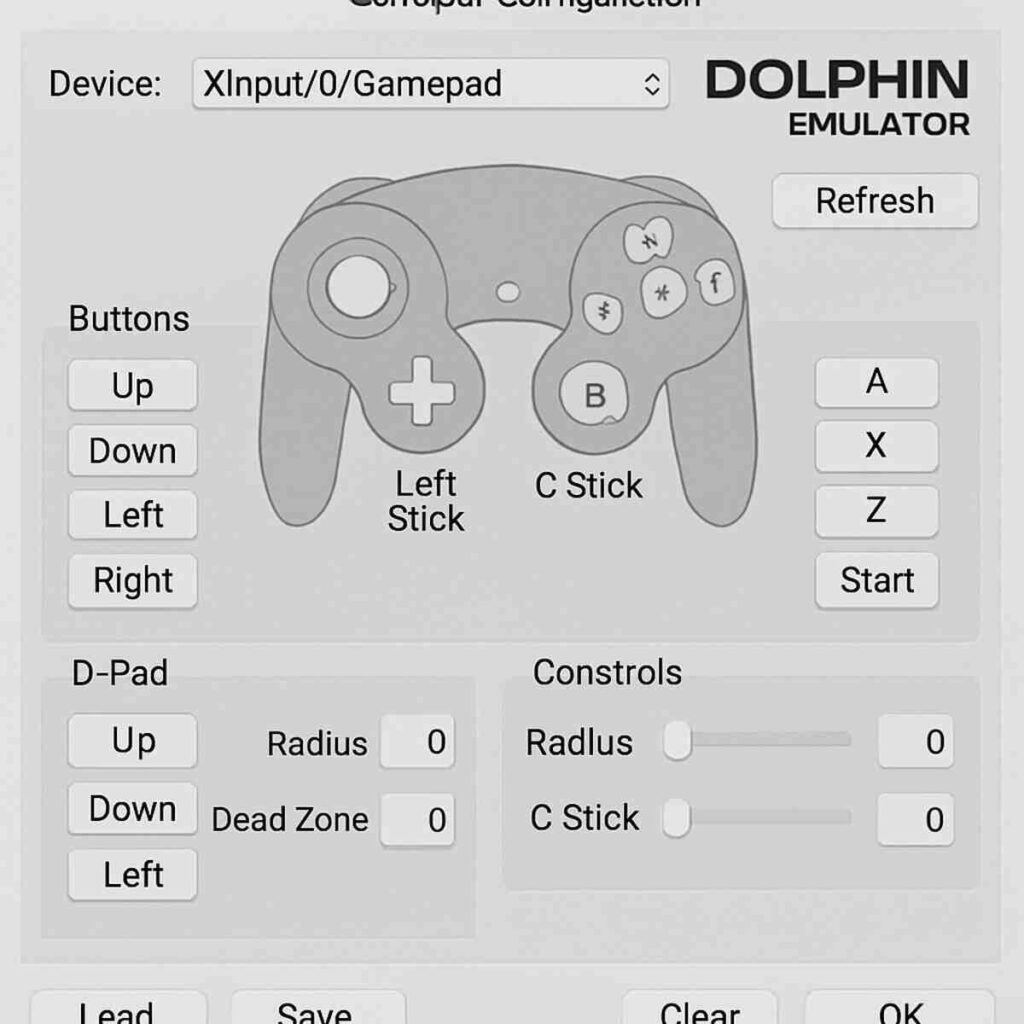
Connect and configure your controller for the best gameplay experience. While you can use a keyboard, a gamepad is recommended for a more authentic feel. Dolphin supports a wide range of controllers, including those from Xbox, PlayStation, and Nintendo. Customize button layouts to your preference, and test the setup to ensure all inputs are recognized correctly. For a more nostalgic experience, consider using an adapter to connect original GameCube or Wii controllers.
Audio Settings
Properly configuring audio settings can enhance your gaming immersion. Dolphin allows you to tweak audio backends, volume levels, and latency settings. Experiment with different configurations to find what works best for your system. Ensure your audio drivers are up to date to prevent any sound issues during gameplay.
Playing Japanese Games on Dolphin
Now that Dolphin is set up, it’s time to get into the fun part—playing Japanese games! Here’s how to do it.
Step 1: Obtain Japanese Game ROMs
To play a game, you’ll need its ROM. Ensure you legally own a copy of the game before downloading a ROM. There are several online communities and forums where you can find these files. Look for trusted sources to avoid downloading corrupted or malware-infected files. Some websites also provide patches to translate Japanese games into other languages, enhancing accessibility.
Step 2: Load the Game into Dolphin
- Open Dolphin and click on the ‘Open’ button.
- Navigate to the folder where your game ROMs are stored.
- Select the Japanese game you want to play, and hit ‘Open’.
This process is quick, but ensure your ROM files are properly organized and named for easy access. Dolphin supports various file formats, including ISO, GCM, and WBFS, so verify compatibility before attempting to load a game.
Step 3: Set the Language to Japanese
Some games might require you to change the language settings to Japanese for them to work correctly.
- Go to ‘Config’ and then ‘Wii’ settings.
- Set the language to Japanese from the dropdown menu.
This step is crucial for games that rely heavily on text or voice acting. Setting the correct language ensures you experience the game as intended, preserving cultural nuances and story elements that might be lost in translation.
Step 4: Enjoy Your Game!
With everything set up, you can now start playing. Dive into the unique stories and gameplay that Japanese titles have to offer. Take your time to explore different genres, from RPGs and visual novels to action-packed adventures. Each game provides a glimpse into Japanese culture and creativity, offering a rewarding experience beyond just gameplay.
Tips for Enhancing Your Gameplay Experience
Playing Japanese games can be challenging if you don’t know the language. Here are some tips to help you enjoy your gaming experience:
Use Fan Translations
Many popular Japanese games have fan translations available. Search online for patches or guides that can help translate the game’s text. These fan-made resources often include detailed instructions for applying patches, ensuring you can enjoy the story without language barriers. Some translations even come with cultural notes, enriching your understanding of the game’s context and themes.
Join Online Communities
Join forums and online communities dedicated to Japanese games. You’ll find walkthroughs, tips, and fellow gamers who can assist you. These communities are invaluable for sharing experiences, discussing favorite titles, and getting help with challenging sections. Participating in these groups can also introduce you to new games and fan projects worth exploring.
Practice Patience
Understanding the nuances of Japanese games may take time, especially if there are cultural differences. Enjoy the learning experience and immerse yourself in the story and gameplay. Take the opportunity to learn basic Japanese phrases or script, enhancing your appreciation for the games. Embrace the challenge, and remember that patience often leads to rewarding discoveries.
Utilize Game Guides
Game guides and walkthroughs can be a lifesaver when you’re stuck. Many dedicated fans create comprehensive guides that provide step-by-step solutions to difficult puzzles and boss fights. These guides can help you progress without frustration, ensuring a smooth gaming experience. Combine these resources with your exploration for a balanced approach to gameplay.
Troubleshooting Common Issues
While Dolphin is generally user-friendly, you might encounter some hiccups. Here are common issues and their solutions:
Game Won’t Load
Ensure your ROM is not corrupted and is compatible with Dolphin. Double-check the file format and ensure it is properly extracted from any archives. If problems persist, try re-downloading the ROM from a reputable source. Additionally, check the emulator’s settings to ensure no configurations are preventing the game from launching.
Lagging or Performance Issues
Lower the graphics settings or check if your PC meets Dolphin’s system requirements. Close any background applications that might be hogging resources. Consider upgrading your hardware if you frequently experience performance issues, as a better CPU or GPU can significantly enhance your gaming experience. Regularly updating Dolphin can also resolve performance-related bugs.
Audio Problems
Check your audio settings within Dolphin and ensure your drivers are up to date. Experiment with different audio backends to find the most stable configuration for your system. If audio issues persist, consult online forums for specific solutions tailored to your hardware setup. Often, a simple tweak or driver update can resolve the problem.
Wrapping Up
Setting up Dolphin for Japanese games might seem daunting at first, but with this guide, you’ll find it’s a rewarding endeavor. Whether you’re exploring a beloved RPG or trying out a quirky title, the Dolphin Emulator opens up a world of possibilities. Remember to respect copyright laws and enjoy your gaming journey responsibly. Happy gaming!
