
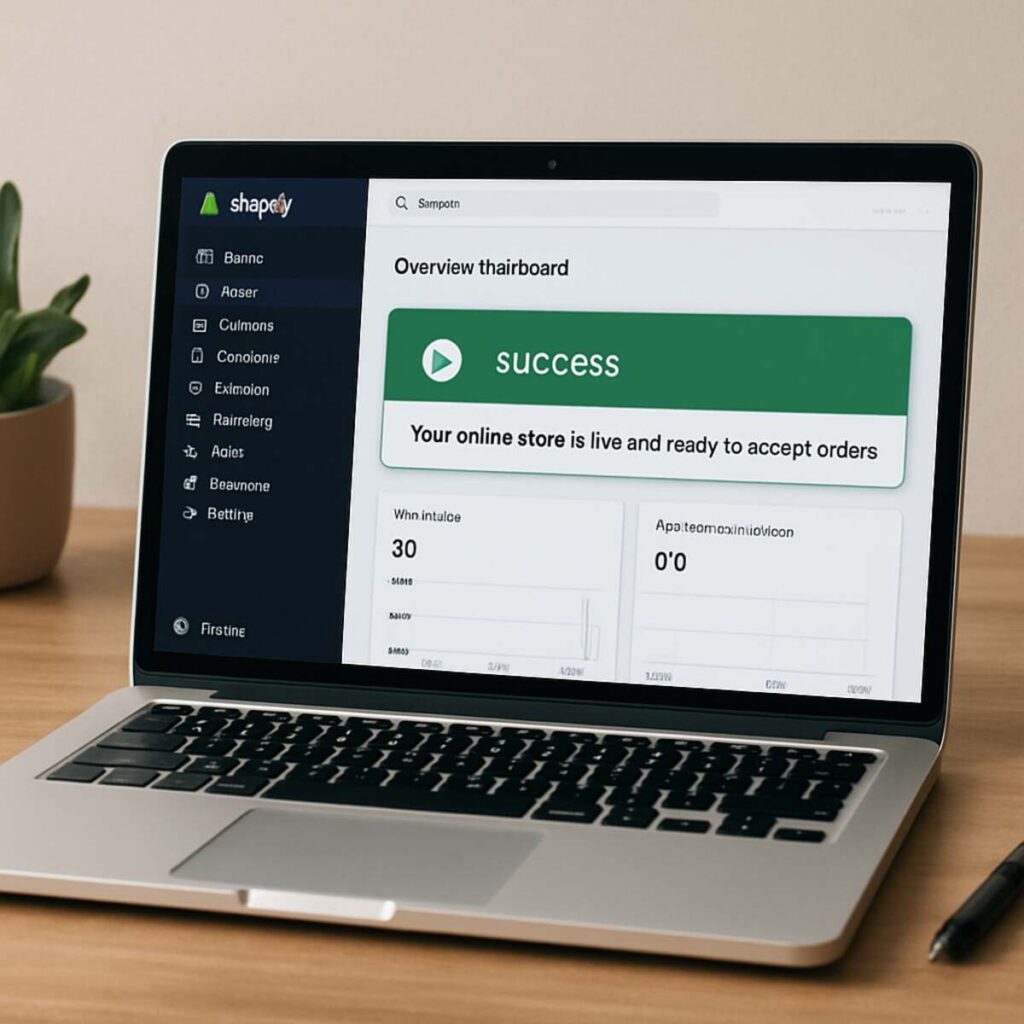
You’ve built your Shopify store, picked a catchy name, and designed a beautiful logo. Now comes the part that stops most beginners dead in their tracks: actually getting products onto your page without buying a warehouse full of inventory. It feels intimidating to figure out exactly how a physical item gets from a distant factory to your customer’s living room. Sort out the best dropship app for shopify.
Running a modern side hustle shouldn’t mean manually copying and pasting customer addresses all night long. Industry data reveals that Shopify stores using automation apps save an average of 20 hours per week on fulfillment alone. That is precious time you can spend marketing your new brand or simply enjoying your weekend.
Imagine you want to sell a trendy, fluffy pet bed that is going viral on social media. Sourcing—which simply means finding reliable products to sell—used to require endless phone calls and stressful negotiations. Today, a few clicks let you instantly grab that pet bed’s photos, prices, and descriptions, dropping them straight into your storefront.
Think of these tools as a digital bridge connecting a massive warehouse directly to your personal website. You never have to touch a single line of confusing code to make this connection work. The right Shopify apps seamlessly link your dashboard to the supplier, ensuring everything stays updated and accurate behind the scenes.
This setup introduces you to the magic of automated fulfillment, acting exactly like an invisible assistant. Someone buys that pet bed while you are fast asleep, and the system immediately orders it from the supplier and ships it out. The best Shopify dropshipping apps handle this heavy lifting so you never have to tape up a cardboard box.
You absolutely do not need to be a tech wizard to turn your new store into a smooth, self-running system. Finding the top Shopify dropshipping apps tailored to your specific budget and goals transforms manual effort into a scalable, automated success story.
The ‘Invisible Assistant’ Strategy: Why Apps are the Secret to 24/7 Sales
Selling products you don’t store sounds great until you spend hours manually saving photos and copying descriptions from a supplier’s website. Figuring out how to automate Shopify dropshipping store operations is the only way to make this a true side hustle. Modern apps feature automated importing, meaning you just click a button, and the pictures, prices, and details of a bestselling pet bed move directly to your storefront instantly.
Think of this software as an invisible assistant working quietly in the background while you sleep. When a customer buys that pet bed, you don’t need to manually email a warehouse to fulfill the request. The app automatically forwards the shipping details to your supplier and pays for the item using the money you just collected.
A massive beginner nightmare is selling something that no longer exists, which is where reliable inventory management for dropshipping stores saves your reputation. These tools use inventory syncing—making sure the app tells Shopify exactly how many items the supplier actually has left. Through SKU matching, it links your exact product code to the supplier’s system so you never accidentally sell a sold-out yoga mat.
Building a secure bridge between overseas warehouses and your website demands the right tools. While thousands of Shopify plugins promise to handle this heavy lifting, a select few actually deliver seamless integration without the technical friction. If you want to access millions of products easily, your journey begins with the largest sourcing platform available.
DSers: The Heavyweight Champion for AliExpress Sourcing
Out of all the Shopify dropshipping apps available, DSers stands out as the ultimate middleman for beginners. Since you already have a free AliExpress account, connecting it to your dashboard takes just a few clicks, completely avoiding technical headaches. This straightforward setup becomes your central hub, letting you browse millions of low-cost items without ever touching website code.
Grabbing a winning product, like a popular phone case, requires almost no effort once your accounts are linked. You can master importing products from AliExpress to Shopify using this simple three-step process:
- Install the free DSers Chrome extension and log into your account.
- Open any AliExpress item page and click the newly visible “Add to DSers” button.
- Go to your DSers dashboard’s “Import List” and click “Push to Shopify” to move the photos and details to your store instantly.
Locating the best dropshipping suppliers for Shopify used to be a stressful guessing game, but you can skip that phase by focusing on the AliExpress “Choice” program. These specific suppliers are heavily vetted by the platform to guarantee faster shipping times, consolidated packaging, and reliable item quality. Filtering your searches for Choice products instantly removes the anxiety of month-long delivery delays and keeps your customers happy.
Once your storefront takes off and you wake up to dozens of sales, the DSers Bulk Order feature becomes your best friend. Instead of manually entering credit card details for every single purchase, you can process up to 100 customer orders at once with a single payment click. While this automation makes overseas sourcing incredibly efficient, local options can speed up delivery even more.
Spocket: Winning with 3-Day Shipping from US and EU Suppliers
Every side-hustler eventually faces the same anxiety: an impatient customer wondering why their package is taking three weeks to arrive. While overseas sourcing is fantastic for keeping startup costs low, modern buyers often expect premium delivery speeds. If you want to bypass long transit times completely, Spocket is your answer. Think of this app as a digital bridge directly connecting your storefront to warehouses located strictly in the US and Europe.
Finding the best dropshipping suppliers for Shopify shouldn’t feel like crossing your fingers and hoping the item actually looks like the photo. Spocket takes the guesswork out of the equation by aggressively vetting every supplier before they are allowed on the platform. The merchants providing your goods are pre-verified for excellent quality control, fast order processing, and reliable inventory tracking. When you sell a fitness tracker or a pet bed through Spocket, you know it will genuinely impress your buyer.
Navigating the app’s dashboard is incredibly beginner-friendly, especially when it comes to locating inventory sitting right in your customer’s backyard. By using Spocket’s simple “Shipping Filters,” you can literally check a box to only view products stored in local warehouses. Instantly, your catalog is filled with US-based dropshipping suppliers with fast shipping, allowing you to confidently promise delivery times as short as three to five days.
Naturally, these domestic goods come with a higher wholesale price tag than items sourced overseas. However, retail customers are almost always willing to pay a premium retail price for faster delivery and trusted local quality, keeping your profit margins healthy. Deciding between budget-friendly imports and rapid domestic fulfillment is a major business choice.
The Ultimate Showdown: DSers vs Spocket Comparison
Picking between the top Shopify dropshipping apps boils down to one question: do you want massive variety or lightning-fast delivery? This DSers vs Spocket comparison represents the classic tradeoff every new side-hustler must navigate.
To choose wisely, you must measure your monthly app budget against the value it brings to your storefront—a concept called subscription ROI (Return on Investment). Here is how the two heavyweights stack up:
- Supplier Origin: DSers connects you globally to AliExpress (mostly China), while Spocket features vetted US and European warehouses.
- Typical Shipping Times: Expect 10 to 20 days with DSers, versus a snappy 3 to 5 days with Spocket.
- Price: DSers offers a robust free plan, whereas Spocket’s premium local suppliers require a paid monthly tier.
Ultimately, finding the best dropshipping suppliers for Shopify depends entirely on your catalog. If you want to test dozens of trendy items for free, prioritize DSers. If you sell expensive goods where buyers demand quick delivery, Spocket’s monthly fee easily pays for itself. You can even try “hybrid sourcing,” which means combining DSers for cheap accessories and using Spocket for your main, high-ticket items.
What if you crave the best of both worlds? Many beginners eventually hunt for a middle-ground tool that blends international variety with faster shipping, plus the ability to print a custom logo right on the shipping box.
CJ Dropshipping: The Global Sourcing Powerhouse for Custom Branding
Stepping up from generic packaging is the dream for every new store owner. When you are ready to stop shipping items in blank plastic bags, CJ Dropshipping offers the perfect upgrade. Evaluated among CJ Dropshipping vs AliExpress alternatives, this app acts like your personal agent, buying directly from manufacturers.
A major advantage of this platform is how it unlocks global sourcing for Shopify merchants without the usual headaches. Instead of relying on a single distant factory, they store inventory in warehouses across the United States, Europe, and Asia. This means a buyer ordering a yoga mat in Texas gets it shipped from a local facility in days. If a trendy item is missing from their catalog, simply submit a sourcing request directly through your dashboard, and their team will track down the supplier for you.
The real magic happens when you want to look like a massive corporate brand. They offer private label dropshipping services, which just means printing your custom logo right onto the product or the shipping box. You can even request their studio to shoot custom photos or videos of your items, giving your social media ads a massive edge over competitors using recycled factory pictures.
Dependable delivery lines and custom boxes give your store a highly professional feel. However, the fastest shipping in the world will not matter if nobody actually wants to buy your items. Validating product demand is the essential next step to ensure your fulfillment bridge is put to use.
Hunting for Gold: Product Research Apps that Find Winners
Guessing what customers want is a fast way to burn through your budget. Instead of hoping for sales, successful store owners use winning product research tools for ecommerce to validate ideas before clicking “import.” Think of these platforms as digital scouts that reveal exactly what people are buying right now.
Finding a winner requires spotting items that solve a painful problem or possess a massive “WOW” factor. The best dashboards show you “Live Sales” data, tracking actual daily order volumes across the internet. Following real data helps you uncover high-profit dropshipping niches without risking your own money on unproven inventory.
However, a great item becomes a terrible choice if thousands of other Shopify apps have already connected it to competing stores. You must check competitor counts to avoid product saturation. Always watch out for these four red flags that indicate a product is dead:
- Daily sales flatline over the last thirty days.
- Dozens of competitors run ads using the exact same video.
- Profit margins drop below ten dollars after shipping costs.
- Supplier reviews show a sudden spike in quality complaints.
Spotting these warnings early saves you from pouring cash into useless campaigns. If you want to skip trending gadgets entirely and build true originality, Print on Demand models offer a way to sell something nobody else has.
Print on Demand: Building a Unique Brand with Printful and Printify
Tired of competing with sellers offering the exact same gadgets? The smartest way to stand out is by creating unique merchandise nobody else has. Instead of relying entirely on high-profit dropshipping niches filled with generic items, you can build a true brand using Print on Demand (POD). This model lets you place custom designs onto blank products like t-shirts and canvases without buying any inventory upfront.
Visualizing these creations used to require expensive photoshoots, but built-in mockup generators make it effortless. You simply upload your digital artwork and watch it instantly apply to digital lifestyle models.
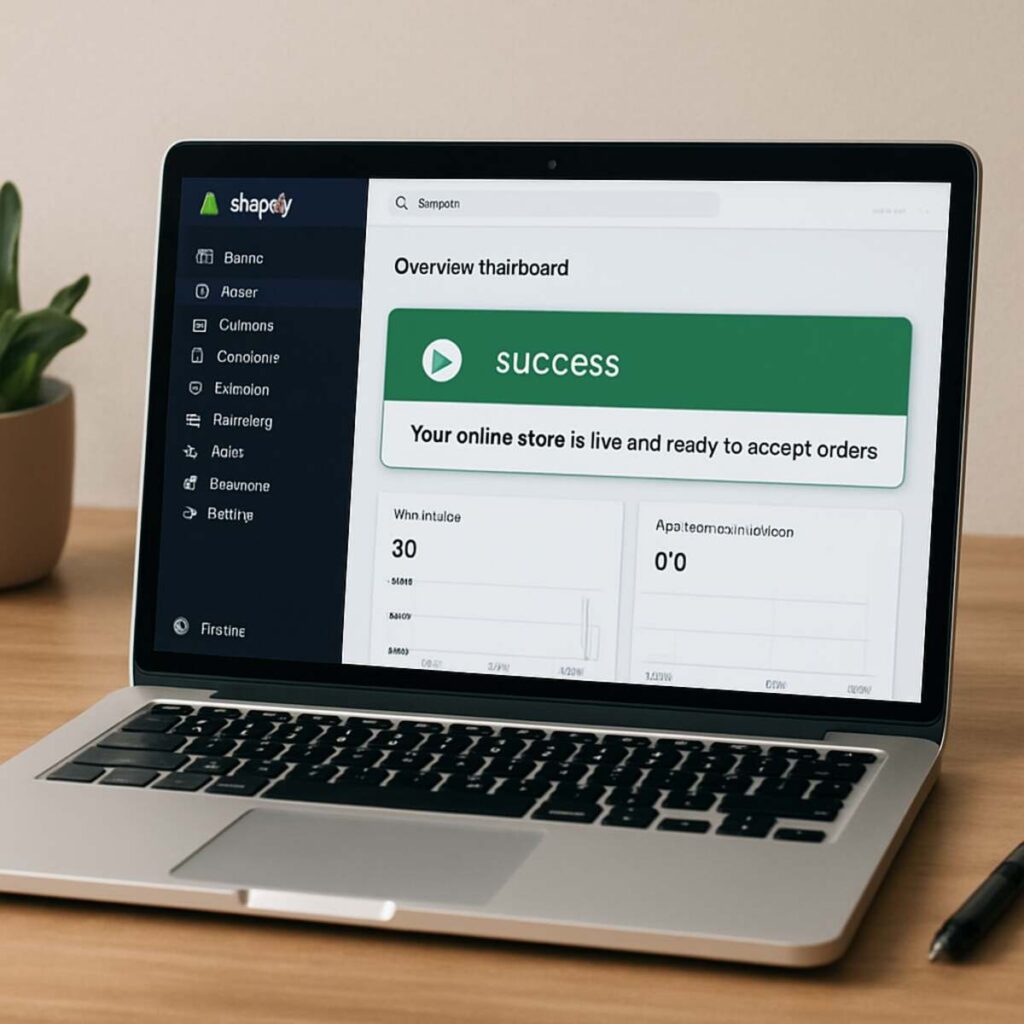
This amazing technology allows you to fill your storefront with professional, realistic product photos in just a few clicks.
Connecting the best print on demand apps for Shopify, like Printful or Printify, turns this creative process into a fully automated business. Think of these platforms as your invisible warehouse assistants. When a shopper buys your hoodie, the app automatically prints your design, packs the order, and ships it directly to the buyer’s doorstep. You never have to touch a single cardboard box yourself.
Offering product personalization is the ultimate way to maximize your profit margins. Letting buyers add custom text to a design creates deep sentimental value, meaning they will happily pay premium prices. Once these unique designs start pulling in consistent daily sales, your basic setup might feel stretched. To handle a sudden rush of orders effortlessly, upgraded Shopify plugins become necessary.
Scaling the Mountain: Advanced Automation for High-Volume Stores
Hitting ten orders a day feels incredible until you are spending your entire evening manually copying addresses. When you start scaling a Shopify dropshipping business, your biggest enemy is administrative burnout. Instead of hiring staff, you can upgrade your Shopify apps to act as a digital operations manager. These advanced tools pull all incoming orders into one master dashboard, letting you process dozens of items with a single click.
Selling a yoga mat from one supplier and a water bottle from another used to mean a logistical headache. Upgraded automated order fulfillment for Shopify solves this by seamlessly routing the right details to each warehouse behind the scenes. Furthermore, these systems instantly sync bulk tracking updates directly to your store. The app automatically emails those tracking numbers to your buyers, practically eliminating the flood of customer support messages in your inbox.
How do you know when it is time to abandon free beginner plans? Consider this scaling readiness checklist to see if you should upgrade your app tier:
- You consistently process more than twenty orders daily.
- You are sourcing products from three or more separate suppliers.
- Answering basic shipping questions takes up over an hour of your day.
Upgrading your software keeps your side hustle running flawlessly while you sleep, allowing you to focus purely on marketing. However, higher sales volume means that some shoppers will inevitably want to send items back. When that day comes, handling returns and refunds professionally is essential to maintaining your brand’s reputation.
The Professional Pivot: Handling Returns and Refunds Like a Pro
Every successful side hustle eventually hits a terrifying milestone: the first customer complaint. Figuring out exactly how to handle dropshipping returns and refunds used to mean negotiating with overseas suppliers while your buyer grew increasingly frustrated. Fortunately, establishing a clear return policy is your first line of defense, instantly protecting your profit margins by setting realistic boundaries right on your storefront.
To simplify dispute resolution, many modern sellers rely on a clever strategy called the return-less refund. Instead of paying expensive international shipping fees to send a twenty-dollar pet bed back to a warehouse, specific Shopify apps calculate if it is cheaper to simply let the customer keep the flawed item. You just issue a quick refund or send a replacement, saving everyone time and a massive headache.
Proactive communication actually prevents most of these disputes before they ever escalate into a full refund request. By installing dedicated Shopify plugins that trigger automated tracking notifications, your shoppers never have to wonder where their package is located. Turning a slightly delayed delivery into a transparent, positive experience with automated support emails builds massive trust, often converting an anxious buyer into a loyal, repeat customer.
Mastering this logistical reality separates the fleeting weekend experiments from the real businesses built to last. With these operational fundamentals established, you can confidently piece everything together into a clear launch plan.
Your 4-Step Action Plan to Launching Your Automated Store
You started this journey with a store name and a blank slate. Now, you have the exact tools needed to bridge the gap between empty digital shelves and a fully stocked storefront. It is easy to get stuck in “analysis paralysis” reading about every tool out there, but you now know exactly how to find the top Shopify dropshipping apps that will act as your invisible assistants.
To stop researching and start building, select your app stack based on where you are today. If you have a zero-dollar budget and want access to millions of items, make DSers your first download. If you have a little money to spend on faster shipping and premium goods, connect Spocket to find the best dropshipping suppliers for Shopify. For those leaning into creative designs, Printify is your go-to middleman.
Here is your “First 60 Minutes” setup checklist to get your store live today:
- Install: Go to the Shopify App Store, search for your chosen app, and click “Add app.”
- Link: Follow the on-screen prompts to connect your new app account to your Shopify dashboard.
- Import: Find three simple products you love and click “Push to Store” to move their photos and details over instantly.
- Test: Review your live website to make sure the products, prices, and descriptions look exactly how you want them.
Start with just one of these Shopify dropshipping apps to see immediate results without getting overwhelmed. Each time you import a product and tweak a description, you will build the confidence needed to run a real e-commerce business. If you ever feel stuck, just remember that these tools are built to handle the heavy lifting of inventory and shipping for you.
That dream of running a hands-off side hustle is no longer just a distant idea—it is a few clicks away from becoming reality. You have the knowledge, you know the tools, and you understand the simple mechanics of making it work. Open your Shopify dashboard and start adding those first products to your page.