
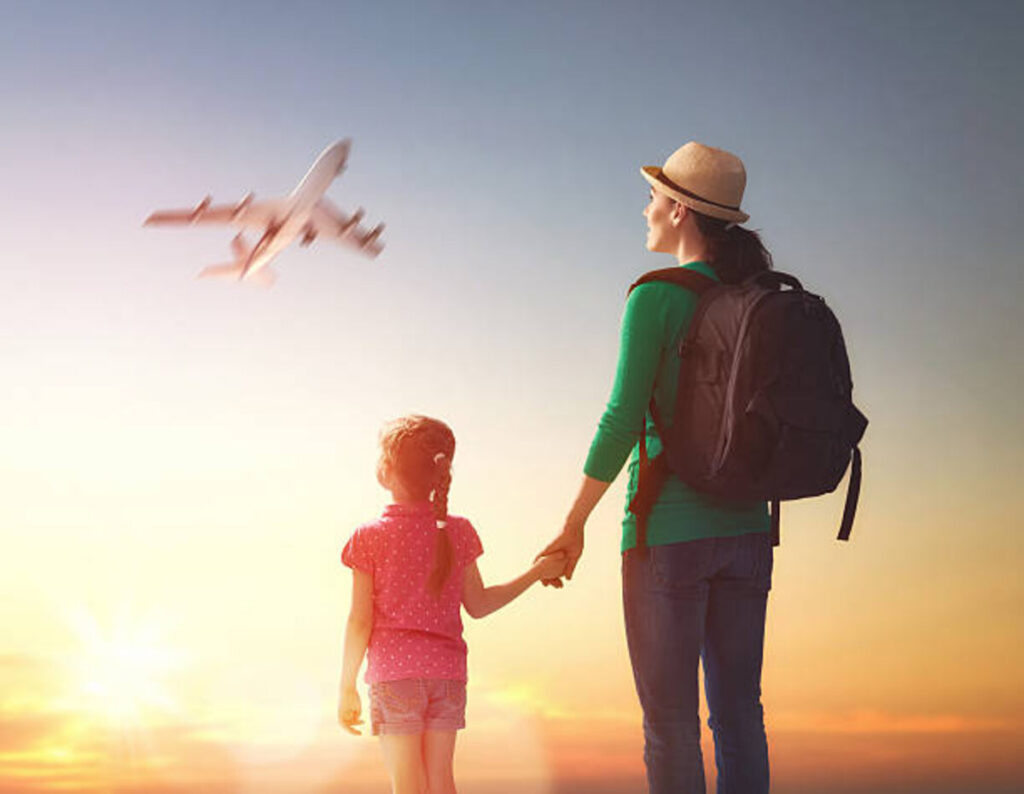
Embarking on a journey with your little ones is not just about capturing scenic Instagram-worthy moments. It’s about opening doors to new cultures, experiences, and learning opportunities that can enrich both your life and your child’s. Let’s dive into why parent-child study abroad programs are the ultimate educational trip you didn’t know you needed. Uncover the best info about 親子留学.
The Magic of Educational Trips
Educational trips have been around forever, but when you add an international twist to it with a study abroad experience, it becomes a whole new ball game. These trips aren’t just about seeing new places; they’re about living them, learning from them, and growing with them.
Learning Beyond the Classroom
Imagine your child learning about the history of the Roman Empire while standing in the Colosseum or practicing Spanish by chatting with locals in a bustling Madrid market. That’s learning in 3D! These experiences are irreplaceable, providing context and depth to subjects that textbooks simply can’t match.
Moreover, these trips introduce children to experiential learning, where they engage with the environment directly. This type of learning fosters curiosity and critical thinking, encouraging children to ask questions and seek answers beyond the traditional classroom setting. It’s about connecting theory with practice, making education a hands-on experience that stays with them.
Additionally, being in a foreign environment compels both parents and children to embrace new learning styles. Whether it’s understanding the art of negotiation while haggling in a market or learning patience while navigating public transportation, these skills are cultivated naturally and organically.
Building Lifelong Skills
Traveling with kids, especially in a study-focused setting, teaches them (and you!) some serious life skills. We’re talking about adaptability, problem-solving, and even a bit of budgeting if your little one is curious about how much gelato they can get for €5. Plus, navigating through different countries builds confidence and independence.
Adaptability is one of the most important skills acquired during these trips. Children learn to adjust to different time zones, climates, and customs, which enhances their ability to cope with change and uncertainty. This skill is invaluable, preparing them for future challenges in both personal and professional settings.
Problem-solving is another key skill honed while traveling. From figuring out how to communicate in a language they don’t speak fluently to finding their way back to the hotel after getting lost, these experiences teach children how to think on their feet and come up with creative solutions. It’s about learning to see challenges as opportunities for growth.
Furthermore, the experience of budgeting and managing resources helps children understand the value of money and resources. It instills a sense of responsibility and discipline, making them aware of the importance of planning and prioritizing.
Encouraging Open-mindedness
Parent-child study abroad programs expose families to new ideologies and perspectives, encouraging open-mindedness. Children learn to see the world from different viewpoints, understanding that there is more than one way to approach a problem or situation. This exposure helps in developing empathy and respect for others, essential traits for a harmonious society.
These trips also teach children about the importance of respect and tolerance. By interacting with people from diverse backgrounds, they learn to appreciate differences and embrace diversity. It’s about understanding that while cultures may differ, the core human values of kindness, compassion, and respect remain universal.
Moreover, by experiencing different customs and traditions firsthand, children become more accepting and less judgmental. They learn to celebrate differences rather than fear them, contributing to a more inclusive and understanding future generation.
Strengthening the Parent-Child Bond
Spending quality time is one thing, but doing it while exploring a new country? That’s a bonding experience like no other. Parent-child study abroad programs are designed to create shared experiences that you’ll reminisce about for years to come.
Shared Adventures
From getting lost in a foreign city and laughing it off, to trying new foods together (snails, anyone?), these adventures are stories waiting to be told. They bring out the best in both of you, building memories and strengthening your bond.
Shared adventures are about stepping out of your comfort zone together. Whether it’s zip-lining through a rainforest or hiking up a mountain, these experiences create a sense of camaraderie and teamwork. It’s about overcoming challenges together, which strengthens the trust and understanding between parent and child.
Moreover, these adventures provide opportunities for learning and growth. Trying new activities or exploring unfamiliar places encourages mutual support and encouragement. It’s about cheering each other on and celebrating each other’s accomplishments, no matter how big or small.
Additionally, shared adventures foster communication. Experiencing new situations together opens up conversations and discussions, enhancing the parent-child relationship. It’s about sharing thoughts, feelings, and experiences, creating a deeper connection and understanding.
Understanding Each Other Better
When you’re out of your usual routine and comfort zone, you start to see sides of each other that might not appear during the daily grind. Maybe your kid is a natural navigator, or perhaps you discover their curiosity about art when you visit the Louvre. These trips let you understand and appreciate each other in new ways.
Understanding each other better means recognizing strengths and weaknesses that might not be evident in everyday life. It’s about seeing your child’s potential and talents in a new light, encouraging them to pursue their interests and passions.
These trips also offer opportunities to witness personal growth. As children navigate new environments and challenges, parents can observe their resilience, determination, and adaptability. It’s about celebrating their achievements and supporting them through setbacks, fostering a nurturing environment for growth.
Moreover, understanding each other better means developing empathy and patience. Traveling can be stressful, and dealing with unexpected situations requires cooperation and understanding. It’s about learning to compromise and appreciate each other’s perspectives, strengthening the emotional bond.
Creating Lasting Memories
The memories created during parent-child study abroad trips are cherished for a lifetime. From the excitement of boarding a plane to the awe of witnessing iconic landmarks, these experiences leave lasting impressions. It’s about capturing moments that can be relived through photos, stories, and shared laughter.
Creating lasting memories is about building a treasure trove of shared experiences. Whether it’s the taste of a new dish or the sound of a foreign language, these sensory experiences create vivid memories that endure. It’s about recalling these moments with fondness and nostalgia, strengthening the family bond.
Furthermore, these memories serve as a foundation for future adventures. They inspire a sense of wanderlust and curiosity, encouraging families to continue exploring and learning together. It’s about fostering a love for travel and discovery, creating a legacy of shared adventures.
Cultural Immersion: A Family Affair
One of the greatest gifts you can give your child is the ability to see the world from multiple perspectives. Parent-child study abroad programs allow families to immerse themselves in different cultures, fostering empathy and understanding.
Embracing Diversity
Being in a new country means being surrounded by different languages, foods, customs, and traditions. This exposure helps children (and adults) appreciate diversity and develop a more global mindset, which is invaluable in our interconnected world.
Embracing diversity involves stepping into a world of new experiences. From tasting local delicacies to participating in traditional celebrations, these experiences broaden horizons and challenge preconceived notions. It’s about embracing the unfamiliar with an open heart and mind.
Exposure to different cultures also enhances cultural sensitivity. Children learn to respect and appreciate traditions and practices that differ from their own, fostering a sense of inclusivity and acceptance. It’s about understanding that diversity enriches our lives, making the world a more vibrant and interesting place.
Moreover, embracing diversity encourages self-reflection. By observing and interacting with different cultures, children learn about their own cultural identity and heritage. It’s about understanding where they come from and how they fit into the larger global community, fostering a sense of pride and belonging.
Making New Friends
Whether it’s playing soccer with local kids or attending a family-friendly community event, these experiences allow both parents and children to make connections across cultures. It’s a wonderful way to build a network of friends from all around the globe.
Making new friends is about building bridges across cultural divides. Interacting with locals provides opportunities to learn about different lifestyles and perspectives, fostering mutual respect and understanding. It’s about finding common ground and celebrating shared interests.
These friendships also enhance language skills. Communicating with new friends in their native language encourages language acquisition and practice. It’s about breaking down language barriers and fostering effective communication, enhancing linguistic proficiency.
Moreover, making new friends creates a sense of global community. It’s about realizing that despite cultural differences, people around the world share common values and aspirations. These connections foster a sense of unity and solidarity, encouraging children to view the world as a global village.
Participating in Local Traditions
Participating in local traditions offers families a unique insight into the heart of a culture. Whether it’s joining a traditional dance or attending a local festival, these experiences provide a deeper understanding of cultural values and customs.
Participating in local traditions is about engaging with the community. It’s about showing respect and appreciation for the culture, creating a sense of belonging and acceptance. These experiences enrich the travel experience, making it more meaningful and memorable.
Furthermore, participating in local traditions encourages cultural exchange. Families can share their own traditions and customs, fostering a mutual appreciation and understanding. It’s about creating a dialogue between cultures, enhancing cultural literacy and awareness.
These experiences also teach valuable lessons about cultural sensitivity and respect. It’s about understanding the significance of traditions and customs, and participating with humility and openness. These lessons contribute to a more tolerant and inclusive worldview.
Educational Benefits: More Than Just a Trip
While the fun and adventure are huge parts of study abroad programs, let’s not forget the educational benefits that come with them.
Language Skills
There’s no better way to learn a language than by immersing yourself in it. Your child will pick up vocabulary and phrases naturally by interacting with locals, and you might even find yourself brushing up on your high school Spanish or French.
Language immersion is about learning through experience. It’s about using the language in real-life situations, enhancing comprehension and fluency. This practical approach to language learning makes it more engaging and effective than traditional classroom methods.
Moreover, language immersion fosters a deeper understanding of cultural nuances. It’s about learning idiomatic expressions and cultural references that can’t be found in textbooks. This knowledge enhances communication skills, making it easier to connect with people from different backgrounds.
Additionally, language skills acquired during these trips have long-term benefits. Being bilingual or multilingual opens up opportunities in education, career, and travel. It’s about equipping children with valuable skills that enhance their future prospects and global competitiveness.
Academic Growth
Study abroad programs often include curriculum components that align with what your child is learning back home. This continuity ensures that their academic progress isn’t interrupted, and often, these experiences enhance their understanding of subjects through real-world applications.
Academic growth is about connecting classroom learning with real-world experiences. It’s about seeing historical sites, engaging with local experts, and participating in hands-on activities that bring subjects to life. These experiences enhance understanding and retention, making learning more effective and enjoyable.
Moreover, study abroad programs encourage interdisciplinary learning. Children are exposed to a range of subjects and topics, encouraging them to make connections and see the bigger picture. It’s about fostering a holistic understanding of the world, enhancing critical thinking and problem-solving skills.
Additionally, academic growth during these trips boosts confidence and motivation. Children see the relevance and application of their studies, inspiring them to pursue their interests and passions. It’s about fostering a love for learning and curiosity, setting the foundation for lifelong education.
Enhancing Global Awareness
Study abroad programs enhance global awareness by exposing children to international issues and perspectives. It’s about understanding global challenges and opportunities, fostering a sense of responsibility and action.
Enhancing global awareness is about seeing the world as an interconnected ecosystem. Children learn about environmental, social, and economic issues that affect different regions, encouraging them to think critically and empathetically. It’s about understanding the impact of their actions on a global scale, fostering a sense of global citizenship.
Moreover, enhancing global awareness encourages children to become active participants in creating a better world. It’s about inspiring them to take action, whether through community service, advocacy, or sustainable practices. This sense of agency and empowerment is essential for creating positive change in the world.
Practical Tips for Planning Your Trip
So, you’re convinced that a parent-child study abroad program is the way to go. But where do you start?
Choosing the Right Program
Research is key. Look for programs that offer a good balance of educational activities, cultural experiences, and free time. Consider the destination’s safety, the program’s duration, and what kind of support is available for families.
Choosing the right program involves evaluating your family’s interests and goals. Consider what you want to achieve from the trip, whether it’s language acquisition, cultural immersion, or academic enrichment. It’s about finding a program that aligns with your family’s needs and preferences.
Moreover, look for programs with a strong support system. It’s about ensuring that there are resources and assistance available in case of emergencies or challenges. This support provides peace of mind, allowing you to focus on enjoying the experience with your child.
Additionally, consider the program’s reputation and reviews. Research feedback from other families who have participated in the program, gaining insights into their experiences and recommendations. This information helps in making an informed decision, ensuring a fulfilling and enjoyable trip.
Preparing for the Adventure
Involve your child in the planning process. Let them help with researching destinations, making packing lists, and learning about the culture and language. This involvement builds excitement and helps them feel invested in the trip.
Preparing for the adventure is about fostering anticipation and enthusiasm. It’s about creating a sense of ownership and responsibility, encouraging children to take an active role in the planning process. This involvement enhances their engagement and excitement, making the trip more meaningful.
Moreover, preparing for the adventure includes practical preparations. It’s about ensuring that all necessary documents, vaccinations, and travel arrangements are in place. This preparation minimizes stress and ensures a smooth and enjoyable experience for the entire family.
Additionally, preparing for the adventure means setting expectations and goals. Discuss what you hope to achieve and experience during the trip, creating a shared vision and purpose. This alignment enhances the travel experience, making it more focused and intentional.
Budgeting
Traveling abroad can be pricey, but it’s all about prioritizing. Look for scholarships or discounts offered by study abroad programs, and consider alternative accommodations like homestays to save money and enhance cultural immersion.
Budgeting is about making informed financial decisions. It’s about evaluating costs and expenses, prioritizing what matters most to your family. This financial planning ensures that you can enjoy the trip without unnecessary stress or financial strain.
Moreover, budgeting encourages resourcefulness and creativity. It’s about finding ways to make the most of your resources, whether through travel deals, local experiences, or budget-friendly activities. This approach enhances the travel experience, making it more enriching and enjoyable.
Additionally, budgeting fosters a sense of responsibility and discipline. It’s about teaching children the value of money and resources, encouraging them to make thoughtful and informed decisions. This lesson is invaluable, preparing them for future financial responsibilities and challenges.
Final Thoughts
Parent-child study abroad programs are more than just trips—they’re transformative experiences that enrich your family in countless ways. From strengthening your bond to enhancing your child’s education and worldview, these programs are an investment in your family’s future.
These programs offer a unique opportunity to create lasting memories and shared experiences. It’s about stepping out of your comfort zone and embracing new challenges and adventures together. This journey fosters growth, resilience, and understanding, creating a deeper and more meaningful family connection.
Moreover, parent-child study abroad programs inspire a lifelong love for travel and learning. They encourage curiosity, open-mindedness, and empathy, essential traits for a harmonious and interconnected world. It’s about creating a legacy of exploration and discovery, enriching your family’s life in immeasurable ways.
So pack your bags, grab your passports, and get ready for an adventure of a lifetime. You’ll return home not just with souvenirs, but with memories and skills that will last forever. It’s about embarking on a journey of growth, discovery, and transformation, creating a brighter and more connected future for your family.